
Becoming Beyond Trauma: How to Break Generational Trauma (From a Therapist’s Perspective)

Takeaway: If you’ve ever felt like you’re carrying pain that isn’t entirely yours, intergenerational trauma is a key concept to understand. For many people whose families have experienced various forms of trauma, the outside picture they present to the world may appear successful, confident and accomplished. Internally, though, it may feel like the entire weight of the world sits squarely on their shoulders. If this sounds familiar, generational trauma may be surfacing through patterns like perfectionism, emotional shutdown, hyper-independence, anxiety, or feeling like you always have to “hold it all together.” Rather than blaming parents or ancestors, breaking generational trauma involves recognizing patterns, gaining deeper awareness, developing new emotional or somatic skills, and embracing relational changes. The patterns can stop with you.

Before receiving my therapy license, I instead carried a yellow and black badge from the International Rescue Committee that gave me access to work with immigrants and survivors of war. As the daughter of a political refugee, that time working in refugee response was especially meaningful to me as it gave me the chance to not only witness this type of trauma up close, but also allowed me to intervene.
When child refugees arrive in the United States, agencies take steps, such as a home inspection, to ensure that the environment they are entering is safe. These inspections taught me to let go of material expectations of what a home should look like and instead focus on whether the child had what they needed as a new family made space for them.
I often saw living rooms divided into two so that part of the space could become a bedroom for a child. One child I worked with made that small area his own by hanging posters of his favorite musicians and painting the wall blue. It wasn’t much, but it was his. It was a beginning as he slowly learned what it meant to take up space.
After trading my black and yellow badge for my clinical license, I have had the opportunity to counsel many immigrants navigating life transitions within the United States. Again and again, questions of identity emerge. What does it mean to become a citizen in the U.S.? Which parts of our previous cultures do we hold onto, and which do we let go of? When individuals marry outside of their cultural or ethnic background, what does it mean to create a family that honors both cultures? How can parents support their biracial children in developing a strong sense of self while embracing every part of who they are?
Before reaching this point of being able to comfortably build identity, sometimes, clients may need help to heal from generational trauma. Feelings of fear, shame and guilt can often hold individuals back from pursuing their dream and believing that growth is possible.
My name is Akilia Fadhel, and I’m a psychotherapist who specializes in treating intergenerational trauma, at Madison Square Psychotherapy, a Manhattan based psychotherapy practice. Today, we’re going to explore the question of what does generational trauma mean, how does the trauma of past generations still affect us, and what are the most significant ways to move beyond this type of trauma.
What Is Generational Trauma (and Why Does It Feel So Heavy)?
Recently in New York, we’ve had more rain and wind as we transition from spring to summer. One day while walking to the train, I found myself wrestling with my umbrella and the wind as I fought to make it to my train on time. The train was only three blocks away, but because of the intensity of the wind, it felt much farther and harder to get there. Let’s consider generational trauma to be like this “wind.”
As we navigate life, there are goals and dreams that we may want to achieve, but along the way, trauma shows up and interferes with the way we show up during moments of difficulty, and how we approach these obstacles. There might be emotional wounds, survival patterns, and coping mechanisms that are passed down through families across generations. This can happen after experiences such as abuse, neglect, addiction, poverty, racism, immigration stress, loss, or chronic emotional instability. Often, people don’t realize they are carrying it. It may show up as anxiety, perfectionism, emotional shutdown, people-pleasing, hyper-independence, fear of failure, or difficulty feeling safe in relationships.
Generational trauma can be passed down through both environment and biology. Environmentally, trauma is often transmitted through family dynamics and learned behaviors. This can look like emotionally unavailable parenting, harsh discipline, secrecy, chronic criticism, financial fear, perfectionism, or growing up in a home where emotions felt unsafe to express. Children adapt to these environments by developing survival patterns that can continue into adulthood and eventually get passed to the next generation. Whether your grandparents were Holocaust survivors, your ancestors experienced slavery or life in the Jim Crow South, or even experienced more personal traumas such as domestic violence or sexual violence, it’s likely that the impact of these traumas were passed down through your family in some way.
Trauma can also leave biological effects. Research on epigenetics suggests that chronic stress and trauma can influence how the body responds to stress across generations. In simple terms, overwhelming experiences can affect the way certain stress-related genes are expressed, making future generations more sensitive to anxiety, fear, or emotional dysregulation.
Generational trauma is not about blaming parents or ancestors. Many families passed down the only coping strategies they knew to survive. Healing begins with recognizing the patterns, understanding where they come from, and creating healthier emotional and relational experiences moving forward.
Many people do not recognize some of what they’ve experienced is called generational trauma until, often when they enter serious relationships, become parents, or gain distance from their families. Patterns that once felt “normal” can suddenly become more visible through conflict, emotional triggers, anxiety, parenting challenges, or difficulty feeling safe and connected.
For many clients, this realization is both painful and empowering. With the support from a mental health professional, what once developed as a survival response no longer has to define their future. Awareness is often the first step in breaking generational patterns and creating healthier relationships for themselves and the next generation including their own children.

Common Signs You May Be Carrying Generational Trauma
Multigenerational trauma may be normalized. Perhaps you’ve heard the saying, “this is just my personality”, “or thats how my family is”.
Let’s play a quick game called , “Fill in the Blank: Family Trauma Edition.” I’m going to share a few common phrases that are used to normalize generational trauma below, and I’d like you to try to fill in the blank.
1. “We don’t talk about ______ in this family.”
2. “What happens in this house stays in this ______.”
3. “I had it worse than ______.”
4. “You’re too ______.”
5. “Don’t air our dirty ______.”
6. “If guests are coming over, act like we’re a ______ family.”
How did it feel for you trying to fill in the blanks? Were you surprised that some of these phrases point to unresolved trauma in family?
More than just family phrases, these are survival strategies. Let’s take a moment and sit with that, non-judgementally, but honoring that each of our families have developed unique ways of surviving.
What does it look like to move away from normalizing generational trauma and instead, recognizing the signs? Below are a few signs that you may be carrying intergenerational trauma.
Psychological & Emotional
-
Chronic Anxiety: Feeling constantly on edge, “on guard,” or having an overactive fight-or-flight response to minor, non-threatening stressors.
-
Emotional Numbing: Difficulty identifying or expressing feelings, often accompanied by a belief that emotions are a sign of weakness.
-
Unexplained Triggers: Experiencing sudden panic attacks, nightmares, or intense grief without understanding where they originate, and post traumatic stress disorder.
-
Low Self-Worth: A lingering, pervasive feeling of not being worthy or good enough.
Relational & Behavioral
-
Repeating Family Patterns: Experiencing the exact same toxic relationship dynamics or parenting challenges that your parents or grandparents exhibited.
-
Trust Issues & Isolation: Difficulty forming healthy attachments, fearing abandonment, or being highly suspicious of “outsiders”.
-
Substance Use: Turning to drugs or alcohol to numb distress or cope with inherited emotional pain.
-
Self-Sabotage: Unconsciously preventing yourself from achieving success or reaching your potential out of deep-rooted, inherited fears.
Physical & Biological
-
Chronic Health Conditions: Emerging research suggests unhealed trauma alters stress hormones and gene expression, increasing susceptibility to heart disease, autoimmune disorders, and diabetes.
-
Unexplained Pain: Frequent physical complaints like chronic headaches or gastrointestinal issues linked to prolonged nervous system stress.
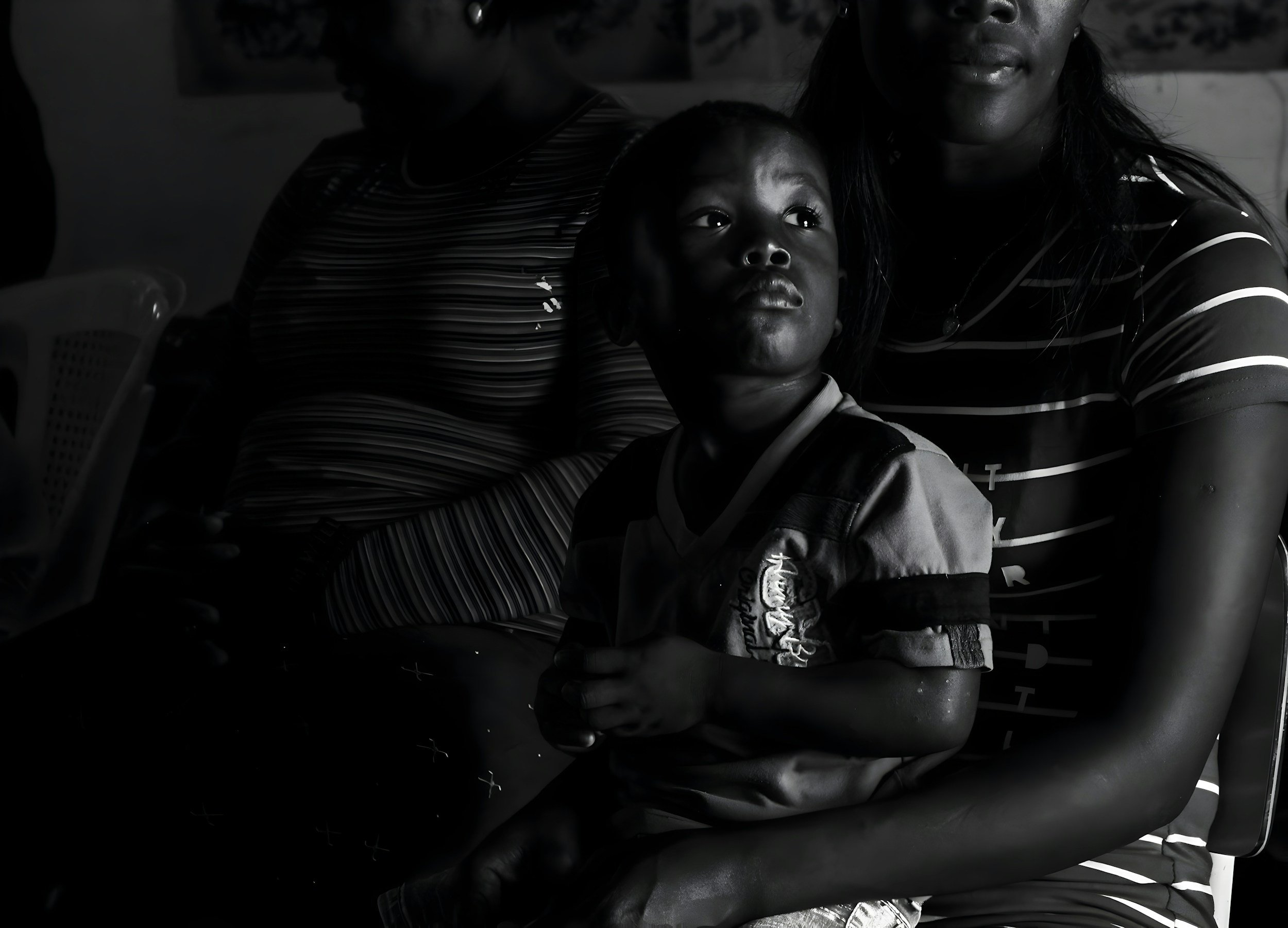
Where Intergenerational Trauma Comes From: Family Dynamics & Cultural Roots
Trauma survivors may have been taught that their responses to a traumatic event are “signs of weakness”, and in turn ignore their emotional well being or inherited trauma. Generational trauma usually stems from real historical trauma, complex trauma from cultural and family events, or even natural disasters. When these events are ignored or buried across subsequent generations this can lead to worsening symptoms of anxiety, low self esteem, and depression. This can all feel heavy and a lot to carry when paired with daily life, one’s own experiences, and maladaptive coping mechanisms such as substance abuse.
When trauma is repeatedly ignored, denied, or buried across generations, the emotional weight does not simply disappear. Instead, it may resurface as chronic anxiety, depression, shame, emotional numbness, low self-esteem, difficulty forming healthy relationships, or persistent feelings of fear and instability. Many people inherit not only stories, but survival strategies: emotional suppression, people-pleasing, hyper-independence, perfectionism, avoidance, or distrust. While these behaviors may once have served as protection, they can become maladaptive over time and interfere with emotional well-being.
Carrying inherited trauma alongside the pressures of daily life and one’s own personal experiences can feel exhausting and isolating. Without healthy support systems or tools for processing emotions, some individuals may turn to coping mechanisms such as substance use, emotional withdrawal, overworking, self-criticism, or other harmful patterns in an attempt to manage overwhelming feelings. At times, even incredibly damaging behaviors like self-harm or domestic violence can occur. These responses are often less about personal failure and more about attempts to survive pain that was never fully acknowledged or healed.
Understanding generational trauma is not about assigning blame to previous generations, many of whom were surviving circumstances with limited resources or support. Instead, it creates an opportunity to recognize inherited patterns with compassion, develop healthier coping strategies, and begin breaking cycles that no longer serve future generations.
With the proper support, such as support groups, family therapy, you can evolve past these traumatic experiences and gain support to heal from the mental health problems that may have come up from the intergenerational transmission of trauma.
You don’t have to know every detail of your family history to do this work; noticing how the past shows up in your present is enough to begin. These small steps such as increasing awareness of the symptoms related to trauma, being mindful of how these patterns show up in other family members, are all meaningful way to reduce the risk of mental and physical health issues due to trauma.

Healing Generational Trauma: How to Break the Cycle
If you believe you’ve experienced generational trauma, below are 4 ways you can begin to recognize and fundamentally shift the patterns:
Step 1: Recognize and Name the Family Patterns Without Blame
Naming generational trauma is not “being dramatic” or “disloyal” but a first act of care for yourself and future children. Research shows that the first step to healing from generational trauma is psychoeducation. For example, you may learn to notice repeated phrases or rules (“we don’t cry,” “you can’t trust anyone,” “get over it”) and explore what they were originally protecting against. This awareness can begin with journaling about situations where your emotional reactions feel bigger than the present moment and ask, “Who in my family felt this before me?”
To gain more insight on how trauma was transmitted across multiple generations, you can talk with older relatives when safe: ask open questions about their childhood, big moves, or what they were most afraid of when they were your age. There are significant ways that you can build this awareness such as by paying attention to your body’s responses (tight chest around money talks, panic during arguments) as potential trauma echoes. This wisdom that you gain can empower you to pass on the information from one generation to the next, ensuring that you are not the same person that your parents or grandparents were but that you are a better person.
-
Map Your Family History: Talk with older relatives or consult family archives to learn about hardships, migrations, or systemic struggles previous generations faced. Documenting this history often reframes a personal struggle into a shared, inherited experience rather than your own failure.
-
Identify Recurring Coping Mechanisms: Look for repetitive behaviors passed down, such as hypervigilance (always being on guard), emotional withdrawal, avoidance of painful topics, or reliance on substances, whether in a single parent or both.
-
Audit Your Stress Responses: Notice if your emotional reactions—such as acute anxiety, anger, or difficulty trusting others—feel disproportionate to the present situation. Ask yourself if an immediate reaction is yours, or if it is a learned survival strategy from caregivers.
-
Notice Unspoken Family Rules: Pay attention to what your family actively avoids discussing. Unspoken fears or taboos often point to unresolved grief and inherited trauma.
-
Establish Boundaries: Protect yourself from repeating harmful family cycles by setting clear boundaries around toxic communication or expectations.
-
Engage in Trauma-Informed Therapy: Work with a licensed professional who understands how to navigate family systems and inherited trauma. Therapies like Trauma-Focused Cognitive Behavioral Therapy (TF-CBT) or Narrative Therapy are highly effective in breaking these cycles.
Step 2: Learn to Feel and Regulate Your Emotions Safely
Many families coping with trauma survive by shutting down feelings or exploding with them, so learning nervous-system regulation is foundational.
Below are a few skills that can help you to emotionally regulate:
-
Grounding exercises (e.g., 5–4–3–2–1 sensory scan; describe exactly what you see outside your window in Midtown or Brooklyn).
-
Simple breath work (e.g., 4‑6 or 4‑7‑8 breathing for 2–3 minutes before difficult conversations).
-
Naming feelings with more precision (“resentful,” “lonely,” “afraid”) instead of just “fine” or “mad.”
-
Using “triggers log”: note what happened, what you felt in your body, what thought popped up (“I’m not safe,” “they’ll leave me”) to build awareness over time.
-
Creating a short daily self-soothing routine (walk around your neighborhood, brief meditation on the subway, stretching before bed).
-
Limiting exposure to re-triggering content (e.g., graphic news about war) during periods of high stress.
Through balancing psychoeducation with concrete practices, you can begin to move forward from trauma, and pass this information forward to later generations.
Step 3: Set New Boundaries and Change Family Patterns and Scripts
In families shaped by generational trauma, boundaries can feel difficult because sacrifice, secrecy, and obedience were often tied to survival. Many people were taught to keep the peace, avoid conflict, or prioritize others’ needs over their own emotions. As a result, setting limits in adulthood may bring feelings of guilt, fear, or anxiety, even when those boundaries are healthy and necessary.
Healthy boundaries are not about punishment or rejection. They are about creating emotional safety, protecting mental well-being, and breaking harmful patterns that have been passed down over generations.
Boundary setting often starts with small, practical steps, such as:
-
Deciding on one specific boundary (e.g., no yelling during calls, leaving conversations when insults begin, or limiting certain topics).
-
Practicing short, calm responses like, “I’m not available for that conversation right now,” or, “If we’re yelling, I’m going to hang up and try again later.”
-
Expecting pushback and recognizing that discomfort can be a sign that unhealthy family patterns are shifting, not proof that the boundary is wrong.
Setting boundaries can feel uncomfortable at first, but each small step helps build healthier relationships rooted in respect rather than survival.
Step 4: Use Evidence-Based Trauma Therapy (Including EMDR) to Heal Deeper Layers
Facing traumatic memories plays a crucial role in healing. Trauma therapy provides clients a controlled and supportive, environment to face their fears. Some modalities that are helpful for addressing trauma include:
Eye Movement Desensitization and Reprocessing (EMDR): Uses bilateral stimulation (like eye movements) to help the brain reprocess stuck, traumatic memories. It bridges the logical and emotional parts of the brain, lessening the vividness and emotional charge of the memory.
Cognitive Behavioral Therapy (CBT): Targets the unhelpful beliefs (e.g., self-blame, lack of safety) that stem from trauma, helping individuals reframe their trauma story and reclaim their identity.
Somatic Experiencing (SE): Helps the nervous system complete the fight, flight, or freeze responses that were trapped during the original traumatic event.
Internal Family Systems (IFS): Often referred to as “parts work,” this model helps individuals safely explore protective, adaptive parts of themselves that developed to survive trauma, reconnecting them with their core self

What New Coping Mechanisms for Ancestral Trauma Can Look Like Over Time
During the road to trauma recovery, you may ask yourself, what does healing look like?
Well, it is gradual and non-linear, but that there are recognizable milestones. However, there are certain concrete signs of change. Some of the signs of healing from intergenerational trauma include:
Nervous System Regulation
-
Pausing before reacting: Inherited trauma keeps your fight-or-flight response hyper-reactive. A major sign of healing is the ability to notice a trigger, take a breath, and respond logically rather than reacting instinctively.
-
Physical relaxation: You experience deeper, slower breathing, reduced muscle tension, and improved sleep because your body genuinely recognizes it is in a safe environment today.
-
Comfort with uncertainty: Instead of constantly planning for worst-case scenarios, you can tolerate the unknown without a sense of impending doom.
Releasing Shame (Reclaiming Self-Worth)
-
Separating yourself from the past: You begin to understand the difference between carrying history and being broken. You recognize that your ancestors’ survival mechanisms don’t define your inherent value today.
-
Silencing the inner critic: You stop internalizing past criticisms. When a mistake happens, you respond with self-compassion rather than toxic self-blame.
Letting go of Guilt (Establishing Boundaries):
-
Saying “no” without over-explaining: You feel comfortable protecting your time, energy, and mental health without feeling responsible for how others react.
-
Returning emotions to their rightful place: You recognize which feelings belong to your personal experiences and which ones were absorbed out of family loyalty.
-
Prioritizing self-care: You no longer view rest, personal growth, or joy as selfish.
FAQ: Breaking Generational Trauma
How do I know if it’s “real” generational trauma and not just me being sensitive?
Generational trauma feels very different in your body than just a sensitive temperament. Innate sensitivity allows you to feel deeply, appreciate art, and be highly intuitive. It can bring joy and depth, and you are usually able to find a baseline of calm. However, in the case of generational trauma, your sensitivity feels tight, fearful, and burdensome. You may feel a persistent, background hum of anxiety or depression or an inability to relax when things are going well. Your nervous system is constantly reacting as if you are in defense mode, even when there is no present danger. A therapist can help differentiate between present-day stress, individual trauma, and patterns likely connected to earlier generations.
What if my family denies there was any trauma or gets angry when I bring it up?
Even if families deny trauma, the goal is not to receive their validation. Through therapy, you can discover that healing is possible, even if one’s family system does not acknowledge what you have been through. Healing does not require your family’s agreement, permission, or participation, even though their support can help. Therapy can help you to validate an invalidating family dynamic by first having conversations first in therapy, choosing safer relatives to talk with, or deciding to keep certain insights to yourself for now. Many families survive by denying pain, and that you can hold empathy for their limits while still choosing a different path.
Can I break generational trauma if I’m already a parent and feel like I’ve made mistakes?
Becoming a parent can trigger intergenerational activation, which can lead parents to explore their own trauma while also processing what experience they would like to give to their child. It is absolutely possible to shift patterns at any point in parenting, including with teens or adult children. For example, repair work that gives you the chance to sincerely apologize, name your own learning process, and model emotional growth can itself be cycle-breaking.
How long does it usually take to see changes when working on generational trauma?
There is no universal timeline for healing generational trauma, and progress can look different for every person depending on their unique experiences, support systems, and access to resources. Many people begin noticing small internal shifts within a few months of consistent therapy, self-reflection, or intentional practice. This may look like having better language for emotions, recognizing triggers more quickly, setting small boundaries, or responding to stress with slightly more calm and awareness than before. However, deeper generational patterns that have been reinforced over years or even generations often take much longer to soften. Healing is rarely linear, and stressful life events can temporarily reactivate old survival responses, even after significant progress has been made. Rather than measuring healing by feeling completely “fixed,” it can be more helpful to notice increased self-awareness, greater emotional choice, healthier relationship patterns, and moments of safety, connection, or self-compassion that may not have existed before. Over time, these small shifts can become meaningful and lasting change.
Is medication ever part of healing generational trauma?
While medication cannot erase intergenerational trauma, certain medications can help reduce symptoms of depression, anxiety, or PTSD so that people can engage more fully in therapy. If you’re wondering if medication may be helpful for you, you should speak with a psychiatrist or your primary care provider, ideally while also working with a therapist for the psychological and relational aspects. Through therapy you can also learn to process any cultural or family stigma around medication that isn’t uncommon for many people who come from immigrant families. It’s important to know that seeking out medication is not a failure or weakness but rather, for some, is a bridge that makes deeper healing work possible.
Final Thoughts
At the beginning of this piece, I shared a story about an unaccompanied minor traveling across borders in search of safety and a new beginning. Although I have since changed roles, I still sometimes wonder what the next chapter of his journey looks like. I remember him telling me that one day he hoped to become a barber. In many ways, even having that dream was part of the healing process. Trauma often narrows our sense of what is possible, while healing expands it. As therapists, we cannot change what has happened to you or erase the pain carried across generations, but we can help you believe that healing is possible and that your goals, dreams, and sense of self are worth pursuing. In the therapy room, we explore what healing looks like across generations, not by forgetting the past, but by creating space for a future that is no longer defined by it.
Living and working in New York City can make it easy to stay in survival mode for years without realizing how much stress, family history, or unresolved trauma you may be carrying. Many people assume it is “too late” to change long standing emotional patterns, but healing work can begin at any age. Whether you want to stop repeating unhealthy relationship dynamics, feel less anxious and emotionally reactive, or parent differently than you were raised, therapy can help create new patterns over time. If you’re considering seeking support for generational trauma, it can help to first clarify what you hope will feel different in your life and reflect on important parts of your family history, such as migration, loss, addiction, cultural expectations, or mental health patterns. During initial consultations, it’s also okay to ask therapists about their experience with intergenerational trauma, EMDR, BIPOC mental health, immigrant family dynamics, or other concerns relevant to your background.
In my work as a trauma therapist and working with clients experiencing generational trauma, I take a collaborative, trauma-informed, and culturally sensitive approach focused on helping people better understand survival patterns, strengthen boundaries, improve emotional awareness, and build healthier relationships. Reaching out for support can feel vulnerable, but it can also be the beginning of meaningful change for both you and future generations. You can learn more about my approach and schedule a consultation here: If you feel ready to take the next step in healing your generational trauma, I encourage you to book a complimentary 30 minute consultation with me today.

Site credit | Terms & Conditions | Disclaimer | Privacy policy | Copyright Madison Square Psychotherapy 2026