Top Rated Black Therapists NYC

Takeaway: Finding authentic self-expression can be challenging in a world where societal pressures and oppression can obscure our true selves. As Black therapists based in NYC, we blend our lived experiences with professional expertise to offer a unique and empowering approach to therapy. Reach out today to begin your journey towards wellness and liberation.

Mental Health: What's Different for Black New Yorkers

Supporting the mental health of the BIPOC community is crucial due to the unique challenges we face. Research, including data from the American Psychological Association (APA), consistently underscores the impact of racism on BIPOC mental health. Historical injustices like colonization and slavery continue to influence our well-being today. BIPOC individuals often encounter racial discrimination, historical trauma, and limited access to culturally competent and client centered care, leading to higher rates of anxiety and depression.

Unfortunately, even when you're in a place in life where you're ready to focus on your self care and mental health, it can be incredibly hard to find a therapist who can provide the culturally responsive and compassionate care you deserve. According to the American Psychological Association's (APA) Demographic Data Tool, in 2021, only 5.49% of active psychologists identified as Black. Similarly, APA reports that as of 2021, a mere 2% of psychiatrists were Black. Other black mental health professionals, including licensed clinical social workers, are also similarly affected. Historical inequities within healthcare, compounded by the legacy of racial trauma and limited access to mental health treatment, contribute to fewer Black individuals pursuing careers in this field.

At Madison Square Psychotherapy, we're committed to exceptional therapy services tailored to each client's unique needs and desires for personal growth. With our extensive experience, cultural competence, evidence based practices, empowerment focus, we're here to help you develop healthier patterns and embark on a journey towards greater self confidence, self discovery, and emotional resilience.

  • black girl therapy nyc
  • black woman therapist nyc
  • black psychologist nyc
  • black therapists nyc

Why Black Therapists Matter

Culturally competent mental health professionals harness the transformative power of therapy to address the diverse needs of clients from diverse backgrounds. Understanding the nuances of clients' racial identity, beliefs, and values, these therapists provide not only cultural humility but anti-racist care. Working with a therapist who shares your cultural background can create a safe environment for you to explore sensitive topics, better understand mental health issues, navigate cultural stressors, and heal intergenerational traumas.

In our clinical experience, we’ve that many clients feel a sense of relief that their Black therapist “gets it.” They feel more assured that their therapist will understand cultural concerns many Black people face, including how family dynamics and relationships can play a role in your life. Black therapists may be able to offer unique insights, relevant resources, and culturally appropriate interventions, helping you to feel ready to begin the process of exploring your own mental health journey. This alignment fosters deeper understanding, validation, and trust, empowering you to embark on a journey towards mental well being within a culturally affirming and safe space.

At Madison Square, we not only provide evidence-based and trauma informed care, but also know how essential cultural competence is to our work. Our cultural understanding and our own lived experience as black therapists are core to our therapeutic services.

black psychologists nyc

2 top-rated Black therapists in NYC

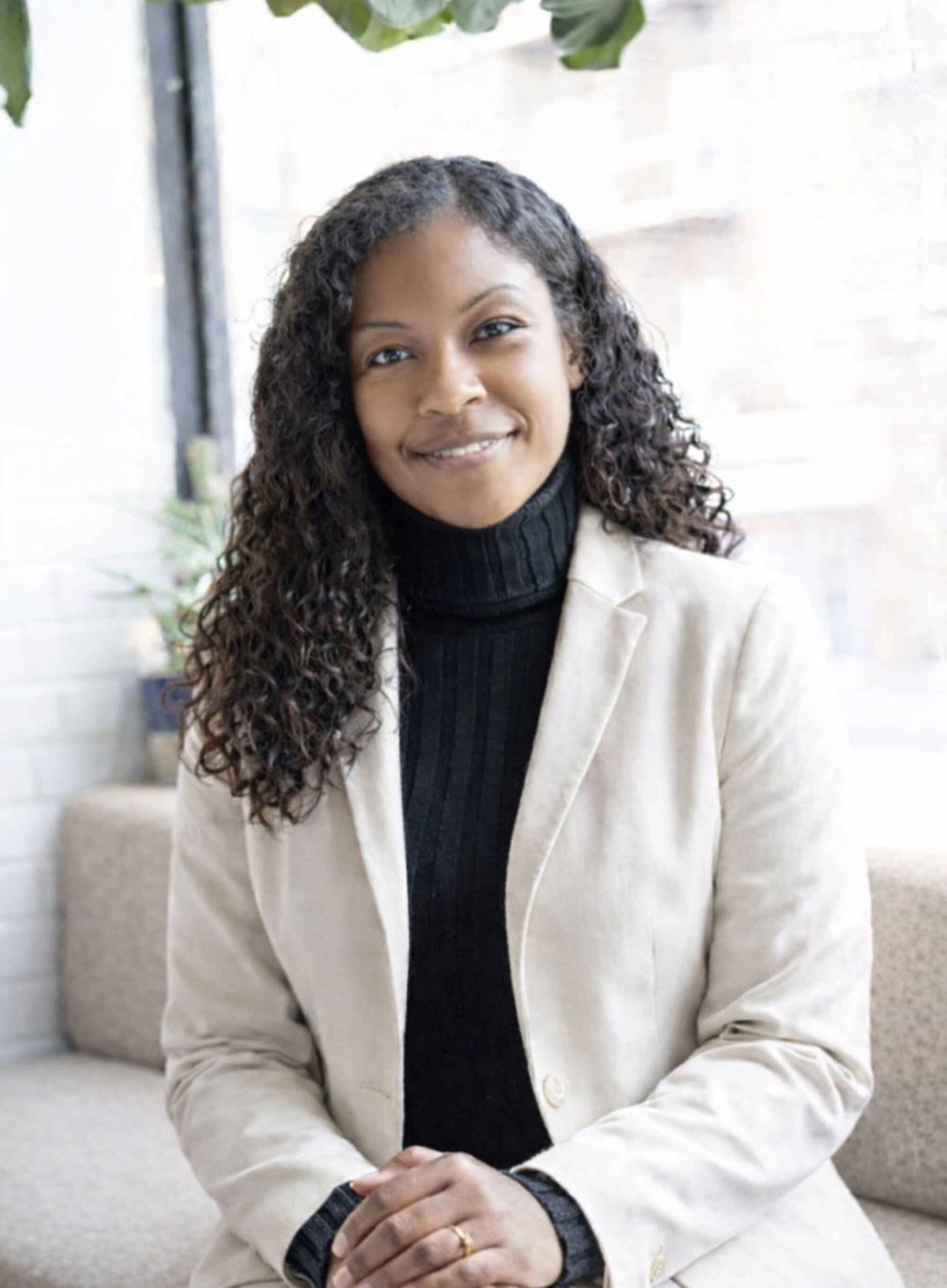
2. Janel Coleman, LMSW

As a licensed psychotherapist based in New York City, I help clients navigate life's challenges, such as anxiety, depression, relationship problems, and life transitions. With a background as a full spectrum doula and comprehensive health educator, I also offer support for sexuality exploration, techniques for greater mind body connection, and perinatal mental health. My holistic, person centered approach blends psychodynamic therapy, CBT and mindfulness techniques to aid clients in building self awareness and supporting their well being. Additionally, I am trained in EMDR (Eye Movement Desensitization Reprocessing), a structured modality that focuses on past trauma experiences. Through my work inside and outside the therapy room, I hope to provide compassion and encourage healing through bridging our individual struggles with collective care of the community.

  • Credentials: Licensed Master Social Worker (LMSW)

  • License number: 119164-01/New York

  • Education: Washington University in St. Louis

  • Hybrid availability (In person and virtual)

  • Speciality Areas: Anxiety, trauma, BIPOC mental health, postpartum & perinatal mental health

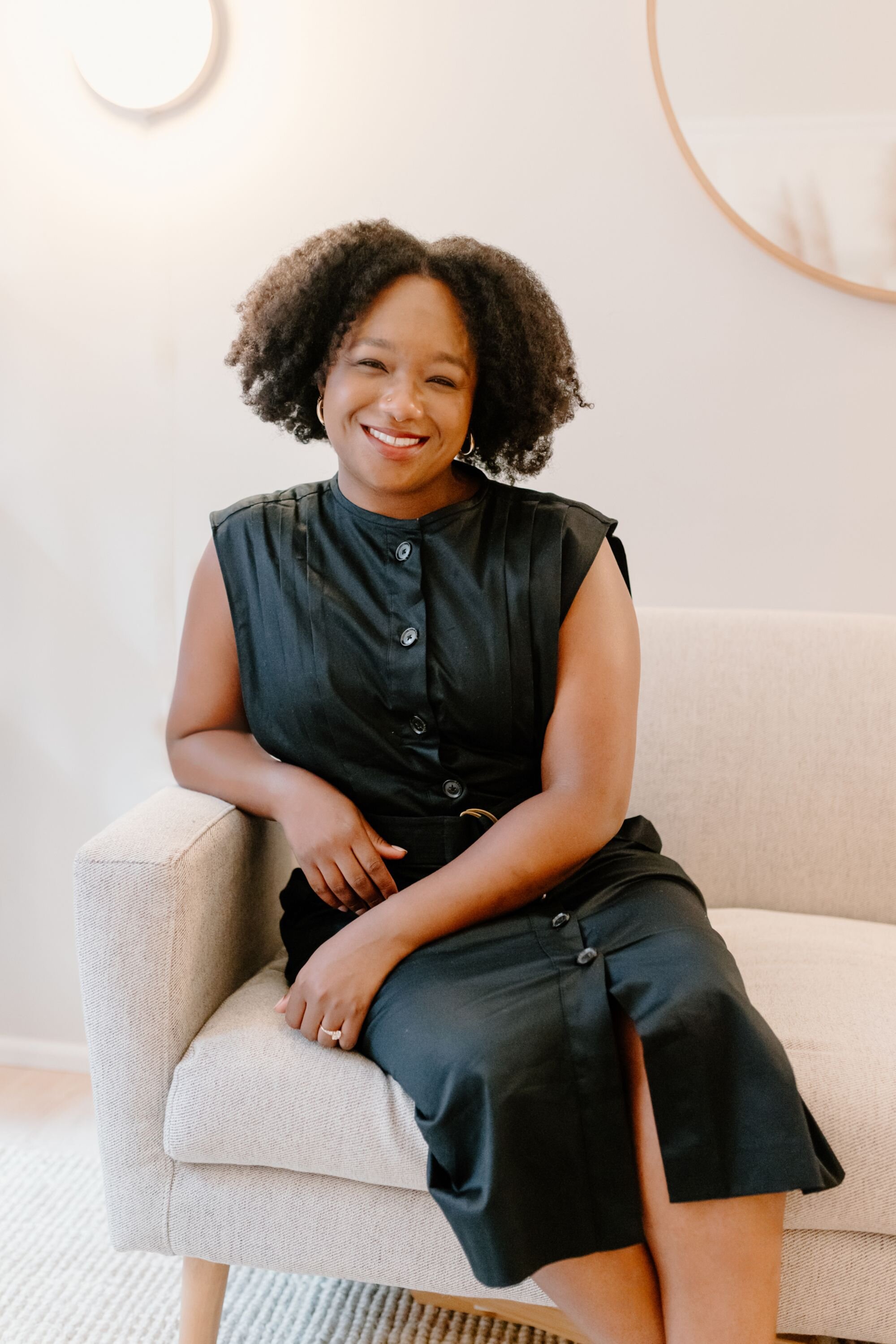
1. Akilia Fadhel, LMSW

I’m a licensed psychotherapist who works with BIPOC clients navigating anxiety and trauma, especially when these experiences are shaped by chronic stress, racism, family expectations, or having to stay emotionally guarded to survive. Many of my clients come in feeling on edge, disconnected from themselves, or unsure whether what they’re experiencing “counts” as trauma. In our work together, I help clients slow things down, understand how their nervous system has adapted to past experiences, and develop ways to feel more grounded and present in their lives.

My approach is trauma-informed and relational, drawing from psychodynamic therapy and Cognitive Behavioral Therapy (CBT). I aim to create a space where you don’t have to explain or minimize your experiences, and where healing can happen at a pace that feels realistic and respectful.

  • Credentials: Licensed Master Social Worker (LMSW)

  • License number: 124094/New York

  • Education: Columbia University, Masters in Social Work

  • Hybrid availability (In person and virtual)

  • Specialty area(s): Anxiety, Trauma, BIPOC mental health

How We Support BIPOC Healing

Trauma & EMDR

Our approach to trauma therapy, including EMDR, aims to help you process any form of trauma, from interpersonal harm and complex PTSD to systemic and generational wounds. We focus on how these experiences are physically stored in your nervous system, helping you release the somatic charge that often manifests as difficult emotions or chronic hyper-vigilance. Whatever type of trauma you are navigating, we work to move these "stuck" memories so you can regain a sense of internal safety and presence in your own life.

Anxiety & Depression

For many Black New Yorkers, mood disorders such as depression or anxiety manifest as a persistent need to stay guarded in high-stakes environments where your identity and performance are constantly under scrutiny. We use CBT and psychodynamic therapy to address the root causes of these emotional challenges, helping you untangle systemic stressors from your own self esteem and personal sense of self. Our goal is to move past the habit of constant performance so you can build a sense of internal safety that persists even outside of the therapy room.

Perinatal & Postpartum Mental Health

We support your entire reproductive journey, from the emotional complexities of trying to conceive (TTC) to the transformative "fourth trimester" and beyond. As black therapists, we know the heavy reality of Black maternal health disparities, including the 3x higher mortality risk for black women and increased rates of fibroids, preeclampsia, and preterm birth. We offer a specialized, trauma-informed space to navigate medical bias and protect your mental well-being during these wonderful but vulnerable life transitions.

Dating & Relationships

Navigating the New York City dating scene isn't an easy task. As a member of the BIPOC community, there can be extra hurdles involved like unpacking how racial bias or family expectations impact your intimacy or relationship stress. In our work, we can help you to evaluate your values, identify stuck points with relationship challenges, and release self doubt to help you break free from the same old patterns in dating and relationships. Our person centered approach focuses on building partnerships that serve as a sanctuary from the world, rather than another source of stress.

A Therapeutic Space Where You Don't Have to Translate

We understand the exhaustion that comes with constantly having to represent (and then explain) yourself in rooms where no one looks like you. That's why we've built a nonjudgmental space where you don't have to. A place where you can simply be, without translating your experience, defending your identity, or shrinking yourself to make others comfortable.

Here, you'll find compassionate support from therapists who get it and where your story is received rather than decoded. We know that for many Black clients, the work of healing also means unlearning the pressure to stay strong, stay silent, or push through alone. We welcome new clients from all walks of life, including young adults navigating identity and relationships, and individuals and couples facing relationship issues. Whatever your unique background, sexual orientation, or family dynamic, our goal is for every client to feel supported, heard, seen, and understood from the moment they walk through the door.

This is your space for self-discovery, healing, and growth, on your own terms.

faqs

Common questions about finding a Black therapist

  • According to the American Psychological Association's (APA) Demographic Data Tool, in 2021, only 5.08% of active psychologists identified as Black. Similarly, APA reports that as of 2021, a mere 2% of psychiatrists were Black. Mental health professionals encompass various roles, including social workers, mental health counselors, and marriage and family therapists, and these fields also face significant disparities in Black representation.

    These statistics underscore a broader issue of under representation of Black mental health professionals and gaps within the culture of the field. Historical inequities within healthcare, compounded by the legacy of racial trauma and limited access to mental health treatment, contribute to fewer Black individuals pursuing careers in this field. Moreover, the financial burden of entry into mental health professions poses an additional barrier, with data from the Council on Social Work Education revealing higher education costs for Black social work students in 2020.

  • Culturally competent mental health professionals harness the transformative power of therapy to address the diverse needs of clients from various cultural backgrounds. Understanding the nuances of clients' racial identity, beliefs, and values, these therapists, provide tailored support and anti-racist care. Working with a therapist who shares your cultural background can create a safe environment for you to explore sensitive topics, navigate cultural stressors, and heal intergenerational traumas. By working with a Black therapist, you can feel more assured that they will understand cultural concerns many Black people face, including how family dynamics and relationships can play a role in your life. Black therapists may be able to offer unique insights, relevant resources, and culturally appropriate interventions, helping you to feel ready to begin the process of exploring your own transformative journey. This alignment fosters deeper understanding, validation, and trust, empowering clients to embark on a journey of healing within a culturally affirming space.

  • If you're searching for Black therapists nearby, check out Therapy for Black Girls and Melanin and Mental Health. These directories are designed to connect you with culturally competent therapists who understand your unique experiences. You can also utilize platforms like Psychology Today and Zencare, which allow users to filter therapists by race and ethnicity, as well as by what type of therapy you're looking for (individual therapy, group therapy, family therapy, etc.).

  • To make mental health care more accessible and better support clients, our practice offers both hybrid and in-person sessions throughout New York state. Whether you prefer face-to-face meetings or virtual therapy, we provide a safe and supportive environment for your healing journey. Our therapists often have next day complimentary consult availability and you may be able to start sessions within the week. Our therapists also offer flexible scheduling, with evening and weekend sessions available.

  • Finding culturally affirming support extends beyond individual therapy. We encourage exploring community workshops that normalize mental health conversations in BIPOC spaces, and connecting with local cultural organizations, churches, and advocacy groups that partner with mental health providers. For finding therapists, trusted directories like Therapy for Black Girls, the Loveland Foundation, the Boris Lawrence Henson Foundation, and Psychology Today's BIPOC therapist filter are excellent starting points.

Ready to Take the Next Step?

Regardless of the concerns bringing you to therapy, our main goals are to help you embrace who you truly are, heal from past traumas, and develop self compassion. If you're ready to seek passionate and personalized mental health services and know you'd like to work with a Black therapist NYC, we're here to support you. Let's collaborate to overcome challenges and make positive changes in your life together. We're looking forward to walking alongside you in your next steps.

Ready to get started?

You deserve to feel better.

BOOK FREE CONSULT

BOOK FREE CONSULT